Blog

  • How to Prevent Resource Guarding in Homes With Multiple Pets

    Resource guarding—when a pet becomes possessive over food, toys, or space—can be a challenge in multi-pet households. The good news? With consistent habits and a little foresight, you can reduce tension and keep your home safe and harmonious.

    1. Provide Separate Feeding Areas
    Pets are less likely to guard food if they have their own bowls in separate spots. Even a few feet of distance can prevent competition and stress.

    2. Offer Multiple Toys and Resting Spaces
    Having duplicates of favorite toys, beds, or scratching posts helps prevent possessiveness. Ensure each pet has a safe space to retreat to without being disturbed.

    3. Supervise Early Interactions
    Introduce new toys, treats, or food carefully. Watch for signs of tension and step in if needed, redirecting attention or offering a treat to encourage calm behavior.

    4. Feed on a Predictable Schedule
    Routine reduces anxiety. Pets that know when and where they’ll eat are less likely to guard resources. Stick to consistent times and locations for meals and treats.

    5. Reward Calm, Sharing Behavior
    Positive reinforcement works wonders. Praise or reward pets when they play or eat near each other without aggression. Over time, calm behavior becomes the norm.

    6. Avoid Punishing Guarding
    Punishing a pet for guarding can make anxiety worse. Instead, manage the environment and use reward-based strategies to encourage safe interactions.

    7. Consult a Professional if Needed
    Persistent guarding or aggression should be addressed with the help of a certified trainer or behaviorist. Early intervention prevents escalation and keeps everyone safe.

    By proactively managing resources and encouraging calm behavior, multi-pet households can thrive without tension—letting you focus on what really matters: love, play, and companionship.

  • Best Pet Combinations: Which Animals Typically Get Along

    Adding pets to your home is exciting, but introducing new animals can be tricky. Some species naturally get along, while others may need more careful supervision. Understanding typical pet dynamics can help you build a happy, harmonious household.

    1. Dogs and Cats
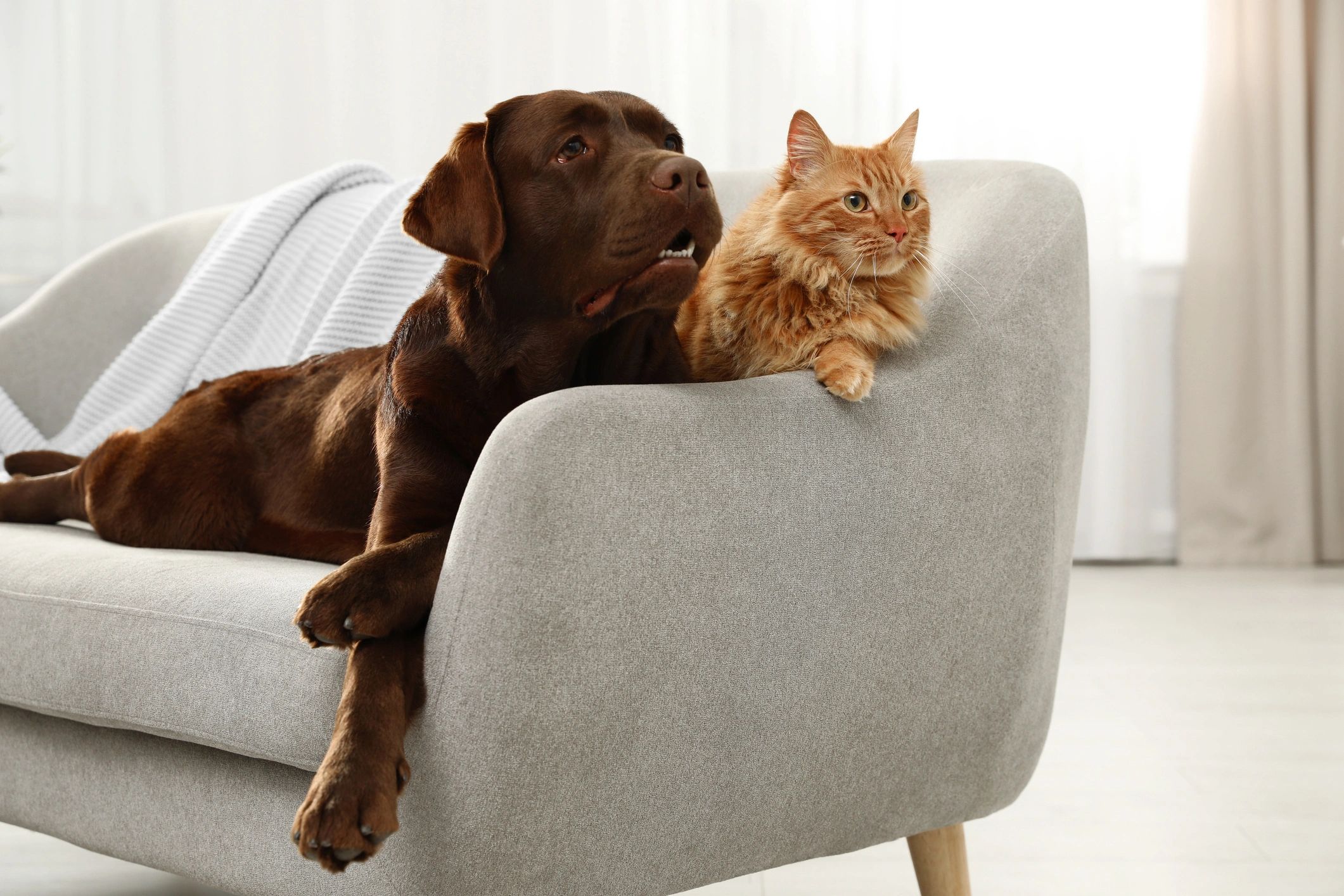
    Contrary to the old saying, dogs and cats can coexist peacefully—especially if the dog has a calm temperament and the cat has a safe space to retreat. Early introductions and positive reinforcement often lead to lasting friendships.

    2. Rabbits and Guinea Pigs
    Both small herbivores enjoy social interaction, and when their housing needs are met, they often become cuddle buddies. Make sure they have separate areas for food and hiding spots to avoid territorial disputes.

    3. Birds and Small Mammals
    Some birds, like budgies or cockatiels, can coexist with calm small mammals such as rabbits or guinea pigs, as long as interactions are supervised. Safety is key: never leave them alone together unsupervised.

    4. Dogs and Rabbits or Ferrets
    Certain dog breeds with low prey drive can bond with smaller pets over time. Short, controlled interactions are crucial to ensure everyone stays safe and stress-free.

    5. Cats and Birds or Fish
    Cats are natural hunters, so extra caution is needed. A well-secured fish tank or birdcage and gradual introductions can allow them to share a home without danger.

    Tips for Multi-Species Harmony:

    • Supervise all initial interactions.
    • Give each pet their own space and resources.
    • Reward calm behavior with treats and praise.
    • Be patient—some friendships take time to develop.

    With careful planning and respect for each animal’s personality, you can create a peaceful, multi-species household where everyone thrives.

  • Daily Routines That Keep Multi-Pet Homes Calm and Organized

    Daily Routines That Keep Multi-Pet Homes Calm and Organized

    Simple Daily Routines to Keep Multi-Pet Homes Organized

    Sharing your home with several pets can be joyful—and a little chaotic—without the right routines. Keeping things running smoothly doesn’t require perfection, just a few consistent habits that help you stay ahead of the mess and the mayhem.

    1. Start the Morning With a Quick Sweep
    Before the day gets busy, spend five minutes picking up toys, shaking out pet beds, and doing a quick floor sweep. This small reset helps prevent clutter from piling up.

    2. Stick to a Feeding Schedule
    Feeding multiple pets at predictable times keeps everyone calmer and reduces begging or food guarding. Use labeled bowls or feeding stations if each animal has different dietary needs.

    3. Do “Micro-Cleaning” Throughout the Day
    A quick wipe of water spills, litter scatter, or fur on the couch takes seconds when you do it right away. These tiny moments of cleaning stop big chores from building up.

    4. Rotate Toys and Activities
    Keeping just a few toys out at once prevents clutter and keeps pets more engaged. Store the rest in a basket and rotate them weekly.

    5. End the Day with a Two-Minute Reset
    Before bed, reset feeding areas, refill water bowls, and toss toys back into their basket. You’ll wake up to a calm, organized space instead of yesterday’s chaos.

    With small, steady habits, even the busiest multi-pet household can stay clean, comfortable, and stress-free—leaving more time for cuddles, play, and the joy of having a full, furry home.

  • How to Introduce a New Pet Into a Multi-Pet Home: Step-by-Step Guide

    How to Introduce a New Pet Into a Multi-Pet Home: Step-by-Step Guide

    🐾 How to Introduce a New Pet Without Causing a Fur-pocalypse

    1. Prep the Territory 🏠

    Give the newbie their own “starter room” with food, water, and a cozy nook. Think of it as their VIP onboarding suite.

    2. The Sniff Swap 👃🔄

    Trade blankets or toys between pets. Let them get to know each other’s smell without the drama. It’s basically pet Tinder… but safer.

    3. Peek-a-Boo Meetings 👀

    Let them see each other through a baby gate or cracked door. Keep it short, sweet, and treat-heavy.

    4. Supervised Hangouts 🧑‍⚖️

    Bring them together for brief face-to-face moments. Stay calm. Give treats. Pretend everything is normal even if someone is doing the Angry Tail Twitch™.

    5. Celebrate the Small Wins 🎉

    A shared nap? A mutual sniff? No hissing? That’s a win. Shower everyone with praise like they just won Pet of the Year.

    6. Keep Routines Steady 🕒

    Same feeding schedule, same walk time, same cuddle slots. Stability = calmer pets = fewer dramatic monologues.

    7. Slow and Steady… with Snacks 🍗

    If things get tense, take a break and reset. Introductions should feel like a fun group project, not a furry boxing match.