Category: Pet Care Guides

Education Guides

  • The Great Debate: To Pet or Not to Pet Someone Else’s Dog

    Walk down any suburban sidewalk, stroll through a city park, or even scroll through dog-loving corners of the internet, and you’ll find a surprisingly hot debate: “Can I pet your dog?” At first glance, it might seem trivial—after all, who doesn’t like a fluffy face and a wagging tail? But peel back the layers, and you’ll discover it’s a surprisingly divisive topic, with strong opinions on both sides.

    Side One: “All Dogs Love Pets! Why Wouldn’t You?”

    The first camp is full of enthusiastic dog lovers who see every canine encounter as a golden opportunity. Their arguments usually start with an assumption: dogs are friendly creatures, social, and generally crave affection. A passerby sees a dog, the dog looks cute and approachable, and—boom—they want to give love.

    Supporters of this viewpoint often cite these reasons:

    1. Dogs are social animals: Many dogs, especially those raised around people, enjoy attention and physical affection. To some, a head scratch or belly rub is like saying “hello” in dog language. Denying this interaction feels almost unnatural.
    2. It creates joy for humans too: Let’s face it—petting a dog is scientifically proven to lower stress. For some people, the momentary joy of interacting with a dog can brighten an entire day. They might argue, “Why shouldn’t I share that joy with this sweet pup?”
    3. It’s good for socialization: Some dog owners use casual petting as a training tool. Allowing a dog to meet strangers safely can make them more confident and adaptable in public.
    4. They assume consent is implied: This is a big one. Many people believe if a dog is wagging, approaching, or otherwise friendly, it’s basically giving a “yes” to a petting session. They often think, “If the dog wanted to move away, it would,” and that the human presence signals safety.

    For these dog enthusiasts, the world is a playground of puppy love, and stopping someone from giving affection feels almost anti-social. Their hearts are in the right place—they want to spread happiness—but here’s where the friction starts.

    Side Two: “Do Not Pet My Dog!”

    Then there’s the other camp—guardians of personal dog boundaries, often speaking for their canine companions who may be shy, anxious, or just plain private. This is where your perspective fits perfectly: just because a dog exists in a public space doesn’t mean it consents to a cuddle.

    The “Do Not Pet” side usually cites several important reasons:

    1. Dogs have personalities too: Not every dog is a social butterfly. Some are shy, anxious, reactive, or just plain uncomfortable around strangers. A seemingly innocent hand reaching toward their head can trigger fear, stress, or even defensive behavior. While humans can explain boundaries with words, dogs rely on body language—and sudden touch from strangers can be overwhelming.
    2. Safety first: Even the friendliest dog can snap if surprised or stressed. For small children or adults unfamiliar with dog behavior, this can result in bites or scratches. Many owners see a hands-off policy as a practical safety measure—for both the dog and the human.
    3. Respecting consent: Yes, dogs can’t speak human language, but owners often interpret subtle signals—ears back, tail tucked, body frozen—as a “no.” Advocates of this approach argue that just like asking before borrowing someone’s phone or dog-sitting, you should ask before touching.
    4. Health and hygiene considerations: Believe it or not, some owners worry about germs, allergies, or dogs with sensitive skin. A stranger’s hand might carry lotions, perfumes, or even invisible pathogens. Petting isn’t just a social faux pas—it can have practical implications for the dog’s well-being.

    From this perspective, a casual petting encounter is less about sharing joy and more about crossing boundaries. For owners of shy or anxious dogs, public petting can feel like being asked to parade their dog for the amusement of strangers. That’s stressful, not fun.

    The Middle Ground: Ask First

    Luckily, many people find a compromise in the simplest of human practices: ask first. A quick “Is it okay if I pet your dog?” can prevent almost every argument. It gives the owner the ability to say yes or no and gives the dog a chance to accept or politely decline the interaction.

    Interestingly, this small act satisfies both sides:

    • Pet-lovers still get their moment of joy (if the dog is receptive).
    • Dog owners maintain control and protect their pet’s comfort.
    • Dogs aren’t overwhelmed or forced into unwanted attention.

    Even signs on leashes or collars, like “Shy Dog” or “Do Not Pet,” have become common tools in parks and urban areas. They allow dog owners to communicate silently but clearly, signaling the dog’s temperament to passersby.

    A Bit of Humor: Why This Gets Heated

    The debate often escalates not because of rational disagreements, but because dogs are universally loved and humans are passionate about their furry companions. Pet enthusiasts might think, “What kind of monster wouldn’t want to pet this sweet dog?” Meanwhile, cautious owners are silently screaming, “Please stop reaching for my dog before it melts into a nervous puddle!”

    You can almost picture the imagined inner monologues:

    • Stranger: “I just want one quick scratch behind the ears. No harm done!”
    • Owner: “Do you know how long it took me to convince him that hands aren’t scary?! Now he’s a bundle of nerves!”

    It’s a battle of good intentions versus boundaries—a classic recipe for a viral park confrontation or an Instagram comment section meltdown.

    My Side: Respecting a Shy Dog

    Since my dog is shy and anxious, my perspective emphasizes that dogs aren’t public property or “cute props” for human entertainment. My dog’s comfort, sense of safety, and emotional well-being take priority. When strangers ignore the owner’s cues and dive in for pets, it can be stressful, undermining training and trust.

    It’s perfectly valid to say:

    “Please don’t pet my dog—he’s shy and needs space.”

    And for the record, many dog lovers understand this once it’s explained. Shy dogs often warm up on their own terms, and respectful distance allows them to decide when and how they interact. Your dog’s choice matters just as much as a human’s desire to give affection.

    Conclusion: A Gentle Truce

    At the heart of the debate is a simple truth: all dogs are individuals. All humans are well-meaning. The friction arises when intentions clash with comfort zones. For some, dogs are natural joy dispensers. For others, they are sensitive companions whose boundaries deserve protection.

    The solution is surprisingly low-tech: ask before petting. It’s polite, practical, and prevents misunderstandings. Pet-lovers still get their fix, cautious owners can protect their pups, and shy or anxious dogs remain in control of their own interactions.

    So, the next time a wagging tail catches your eye, pause. Smile. Ask. And let the dog—and the owner—decide. It keeps the dog park peaceful, reduces stress for anxious pups like yours, and—bonus—it makes you look like a thoughtful human in the process. Everyone wins, and most importantly, the shy dogs can enjoy the world on their own terms.

    After all, even in a society of dog enthusiasts, respecting boundaries is the ultimate act of love.

  • Your Cat Is Normal, You’re Doing Fine, and Other Things New Cat Owners Need to Hear

    Your Cat Is Normal, You’re Doing Fine, and Other Things New Cat Owners Need to Hear

    First things first: take a deep breath. If you recently got a cat and are already googling things like “why does my cat stare at nothing,” “is it normal for cats to scream at night,” or “did I accidentally adopt a tiny gremlin,” congratulations—you are officially a cat owner. And yes, your cat is normal. Weird, confusing, occasionally dramatic… but normal.

    Let’s clear up a few things no one properly warns you about.


    Your Cat Is Not Being Rude. That’s Just Their Face.

    Many new cat owners worry that their cat doesn’t like them. The cat doesn’t greet them at the door, doesn’t wag anything, and sometimes looks at them like they’ve committed a personal offense by existing. This is normal. Cats are not emotionally distant; they’re just subtle.

    That slow blink? That’s love. Sitting across the room but facing you? Also love. Choosing to nap near you instead of on you? Believe it or not, still love. If your cat truly disliked you, you’d know. Trust me.


    Your Cat Will Ignore the Expensive Thing You Bought

    You spent money on a fancy toy. Your cat prefers:

    • A bottle cap
    • A twist tie
    • The box the toy came in

    This is not a failure on your part. Cats are driven by curiosity and novelty, not price tags. Today’s favorite toy will be tomorrow’s trash, and tomorrow’s trash will somehow become the most important object in the house.

    Pro tip: rotate toys. This makes your cat feel like they’re constantly getting “new” things, and makes you feel slightly less betrayed.


    Yes, Your Cat Is Nocturnal-ish and Yes, It’s Annoying

    Your cat sleeps all day and then becomes extremely athletic at night. This is not revenge. Cats are crepuscular, meaning they’re most active at dawn and dusk. Unfortunately, dawn sometimes feels like 3:47 a.m. and involves loud running and even louder opinions.

    The good news: playtime before bed helps. The bad news: sometimes your cat will still scream into the void just to be sure it answers.


    You Will Become Alarmingly Invested in Litter Box Activity

    At some point, you will analyze your cat’s bathroom habits with the seriousness of a scientist. You will think things like:

    • “Is that normal?”
    • “Was it always that color?”
    • “Should I call someone?”

    This is actually a good thing. Litter box habits are one of the best ways to tell how a cat is feeling health-wise. You’re not weird—you’re attentive. (Okay, you’re a little weird, but in the correct way.)


    Your Cat Is Not “Being Bad,” They’re Being a Cat

    Scratching furniture. Knocking things over. Sitting directly on your laptop keyboard. None of this is personal. Cats scratch to mark territory and stretch. They knock things over because gravity is fascinating and they are scientists.

    Provide scratching posts, redirect when possible, and accept that one day something important will fall off a shelf. This is a rite of passage.


    Affection Comes in Strange, Non-Cuddly Forms

    Not all cats are lap cats. Some show love by:

    • Following you from room to room
    • Sleeping with their back turned to you
    • Headbutting your shin unexpectedly

    These are signs of trust. Your cat feels safe with you. They just don’t need to prove it by sitting on your face.


    You Are Not Failing—You’re Learning

    Every new cat owner worries they’re doing something wrong. The truth is, if you’re feeding your cat, keeping them safe, giving them attention (on their terms), and occasionally apologizing to them for reasons you don’t fully understand—you’re doing great.

    Cats are individuals. Some are cuddly. Some are chaotic. Some are both within the same five-minute span. There is no single “right” way to cat-parent, only what works for your cat.


    Final Reassurance (Because You Probably Need It)

    Your cat is normal.
    Your confusion is normal.
    Your house will never be the same—and that’s okay.

    One day, you’ll catch your cat doing something unbelievably strange and instead of panicking, you’ll just sigh and say, “Yep. That’s a cat.” And that’s when you’ll know: you’ve got this. 😸

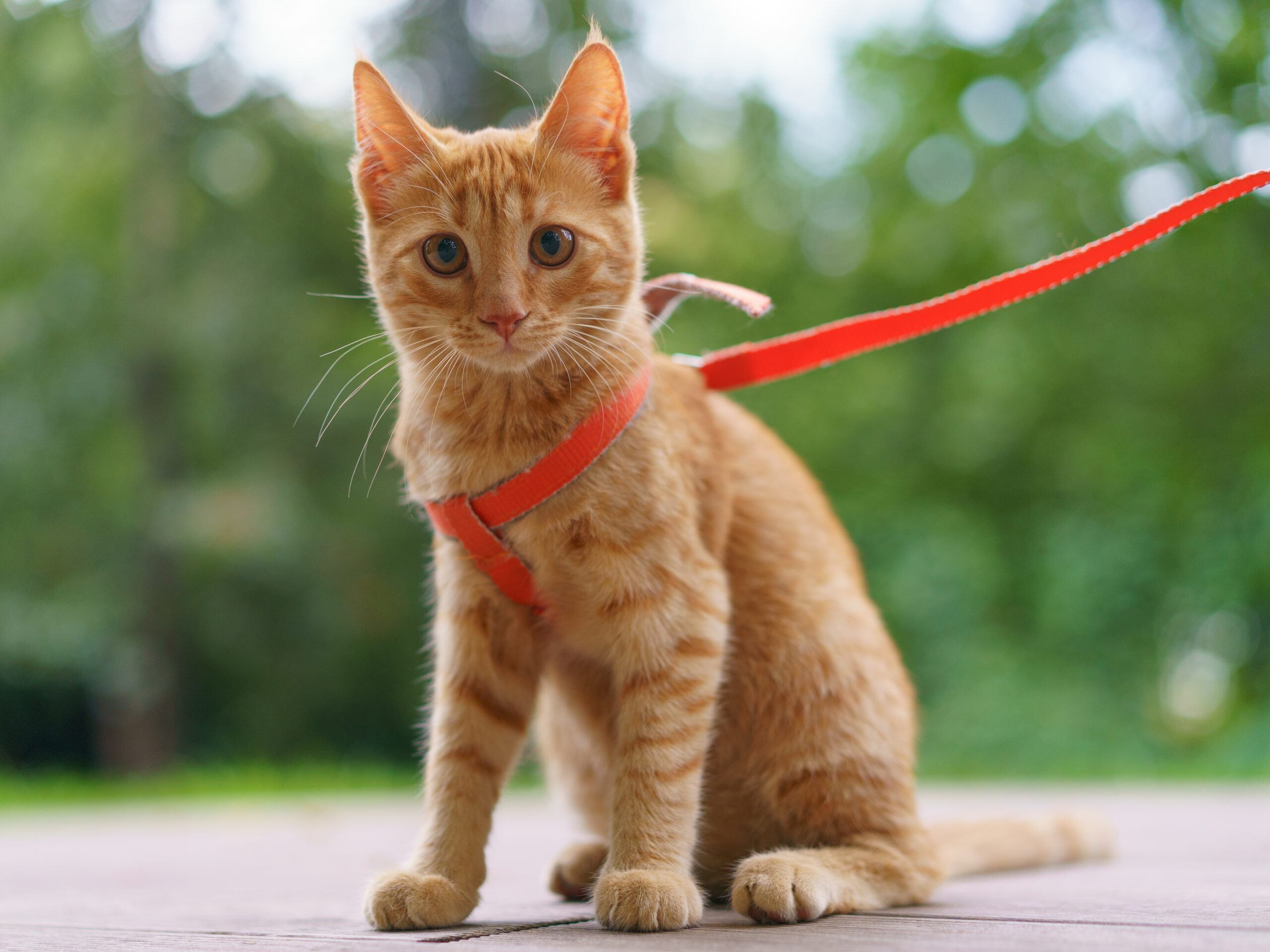
  • Cats on Leashes: Fashion Statement, Safety Tool, or Feline Betrayal?

    Cats on Leashes: Fashion Statement, Safety Tool, or Feline Betrayal?

    If you’ve ever seen a cat on a leash, you probably did a double take. Was it a very small dog? A particularly confident ferret? No—just Mr. Whiskers, boldly stepping into the great outdoors while tethered to a human who looks equal parts proud and apologetic. Cats on leashes are one of the internet’s most debated pet trends, inspiring delight, disbelief, and the occasional dramatic flop-to-the-ground protest video. So why do people leash their cats—and why do some cats (and cat lovers) want absolutely nothing to do with it?

    Let’s dig into the whiskered controversy.


    Why People Put Cats on Leashes

    1. Safety Without Total Confinement
    Indoor cats generally live longer, safer lives than outdoor cats. No traffic, fewer diseases, and no surprise encounters with wildlife that definitely did not come to make friends. But many cats are curious explorers at heart. A leash allows them to experience fresh air, grass, and suspiciously interesting smells without wandering into danger. Think of it as a supervised field trip rather than full freedom.

    2. Enrichment for Curious Cats
    Some cats are bored. Not “I slept 18 hours and still yawned” bored, but mentally bored. Leash walks can provide stimulation—new sights, sounds, and textures—that help keep an active cat engaged. For high-energy breeds or especially curious individuals, a controlled outdoor adventure can be incredibly enriching.

    3. Bonding Time
    Walking a cat isn’t like walking a dog. There’s no brisk power-walk around the block. It’s more like a slow, philosophical stroll punctuated by long pauses to stare at leaves. For owners, this can be a quiet bonding activity that’s low-pressure and oddly calming (once you accept that you will not be “going anywhere”).

    4. It’s Kind of Adorable
    Let’s be honest: a cat in a tiny harness is objectively cute. Social media has embraced the aesthetic, and some people simply enjoy sharing their cat’s adventures with the world. While cuteness alone isn’t a good reason to leash a cat, it’s definitely a bonus for cats who already enjoy it.


    Why Some People (and Cats) Are Against It

    1. Many Cats Hate It
    This is the big one. A lot of cats despise harnesses. Some freeze like statues. Others perform what can only be described as interpretive dance about personal betrayal. If a cat is stressed, scared, or miserable on a leash, the experience isn’t enriching—it’s overwhelming.

    2. Stress and Fear
    The outdoors is loud. Cars, dogs, people, birds with opinions—there’s a lot happening. Even on a leash, a frightened cat can panic, twist out of a harness, or associate outside time with anxiety. Not every cat is built for adventure, and that’s okay.

    3. Not All Harnesses Are Escape-Proof
    Cats are liquid. This is a scientific fact. A poorly fitted harness can be slipped in seconds, turning a calm outing into a heart-pounding chase. Owners need to invest in proper gear and training, which not everyone is prepared to do.

    4. The “Let Cats Be Cats” Argument
    Some people feel that leashes are too dog-like and go against a cat’s independent nature. They argue that cats should either be indoors with plenty of enrichment or outdoors on their own terms (where safe and appropriate), not halfway between.


    So… Should Cats Be on Leashes?

    The real answer is: it depends on the cat.

    Some cats love leash walks. They strut. They sniff. They nap dramatically in sun patches. Others would rather never speak to you again after you bring out the harness. Neither reaction is wrong. The key is paying attention to the cat’s comfort and personality, not forcing an experience because it looks fun or trendy.

    If a cat is curious, calm, and introduced to the harness slowly and positively, leash walking can be a great addition to their life. If not, there are plenty of other ways to provide enrichment—window perches, puzzle toys, and supervised outdoor spaces like catios.

    In the end, cats on leashes aren’t about control or fashion. They’re about choice, safety, and understanding that cats, much like humans, have very strong opinions about what they are and are not willing to tolerate. And if that opinion is “Absolutely not, remove this immediately,” well… that’s the most cat-like response of all. 🐾

  • Should Cats Be Allowed to Roam Outdoors? Understanding Both Sides of the Debate

    Should Cats Be Allowed to Roam Outdoors? Understanding Both Sides of the Debate

    Few topics in the pet world spark as much discussion as whether cats should be allowed to roam outdoors. Some cat owners see outdoor access as essential for a cat’s happiness and natural instincts, while others believe keeping cats indoors is the safest and most responsible choice. The truth is that this debate is complex, and there is no one-size-fits-all answer.

    Understanding the benefits, concerns, and middle-ground options can help cat owners make informed decisions that align with their values, environment, and their cat’s individual needs.


    Why Some Owners Allow Cats to Roam Outdoors

    Supporters of outdoor access often point to a cat’s natural behavior. Cats are curious, agile hunters with strong instincts to explore, climb, and patrol territory. Outdoor environments provide stimulation that can be difficult to fully replicate indoors.

    Mental and Physical Stimulation

    Outdoor roaming allows cats to:

    • Explore new scents and textures
    • Engage in climbing and running
    • Express natural hunting behaviors

    For some cats, especially those raised with outdoor access, this stimulation may reduce boredom and certain stress behaviors.

    Autonomy and Choice

    Some owners believe that allowing cats outdoors gives them freedom and agency. Cats that choose when to go out and when to return may appear confident and content, reinforcing the belief that outdoor access improves quality of life.

    Cultural and Regional Norms

    In many parts of the world, outdoor cats are common and socially accepted. In these regions, neighborhoods may be designed with animals in mind, and roaming cats are considered part of everyday life rather than a concern.


    Why Others Choose to Keep Cats Indoors

    Those who support indoor-only living often emphasize safety and longevity. While outdoor access can be enriching, it also introduces risks that are largely outside an owner’s control.

    Safety Concerns

    Outdoor cats may face:

    • Traffic and vehicles
    • Predators or aggressive animals
    • Exposure to toxins or harmful plants
    • Accidental injuries or getting lost

    These risks are often cited as reasons why indoor cats tend to have longer average lifespans.

    Health and Disease

    Outdoor cats are more likely to encounter parasites, infectious diseases, and injuries that require veterinary care. Even vaccinated cats can still be exposed to illnesses through contact with other animals.

    Wildlife and Environmental Impact

    Another concern often raised is the effect roaming cats can have on local wildlife. In some ecosystems, free-roaming cats contribute to declines in bird and small animal populations, making this an environmental issue as well as a pet care one.


    Considering the Cat as an Individual

    An important part of this debate is recognizing that cats are individuals. Age, temperament, health, and past experiences all play a role.

    • A senior cat may prefer quiet indoor comfort
    • A high-energy young cat may crave stimulation
    • A formerly feral cat may struggle with full indoor confinement

    What works for one cat may not work for another.


    Middle-Ground Options Many Owners Explore

    For owners seeking balance, there are alternatives that offer outdoor enrichment with reduced risk.

    Supervised Outdoor Time

    • Harness and leash training
    • Supervised backyard time

    Enclosed Outdoor Spaces

    • Catios or enclosed patios
    • Secure garden enclosures

    These options allow cats to experience fresh air and stimulation while remaining protected.


    Making an Informed Decision

    The indoor-versus-outdoor debate isn’t about right or wrong — it’s about informed choices. Factors to consider include:

    • Your local environment and traffic levels
    • Wildlife concerns in your area
    • Your cat’s personality and health
    • Your ability to supervise or provide enrichment

    Discussing options with a veterinarian can also help tailor decisions to your cat’s specific needs.


    Final Thoughts

    Whether cats should be allowed to roam outdoors is a nuanced question with valid arguments on both sides. By staying informed, observing your cat’s behavior, and considering practical realities, you can make a thoughtful decision that supports your cat’s well-being while respecting your surroundings.

    In the end, responsible cat ownership looks different for every household — and thoughtful care is what matters most.

  • New Year’s Eve and Pets: How to Keep Your Dog or Cat Calm During Fireworks

    New Year’s Eve and Pets: How to Keep Your Dog or Cat Calm During Fireworks

    For many people, New Year’s Eve is a time of celebration, countdowns, and fireworks. For pets, however, it can be one of the most stressful nights of the year. Loud noises, flashing lights, crowded homes, and disrupted routines can leave dogs and cats feeling anxious, confused, and overwhelmed.

    Understanding how New Year’s Eve affects pets — and knowing how to prepare — can make a huge difference in keeping your furry companions safe, calm, and comfortable as the year comes to a close.


    Why New Year’s Eve Is Stressful for Pets

    Dogs and cats experience the world very differently than humans. Their hearing is far more sensitive, which means fireworks, popping champagne corks, and noisemakers can sound painfully loud and unpredictable. Pets don’t understand that these sounds are temporary celebrations — to them, it can feel like a constant threat.

    Common triggers on New Year’s Eve include:

    • Fireworks and firecrackers
    • Loud music or TV volume
    • Guests coming and going
    • Changes in routine (late nights, missed walks)
    • Bright lights and sudden movement

    This overstimulation can lead to pacing, hiding, trembling, vocalizing, destructive behavior, or attempts to escape.


    Preparing Your Home Before the Noise Starts

    Preparation is one of the most effective ways to help pets stay calm.

    Create a Safe Space

    Set up a quiet, comfortable area in advance where your pet can retreat. This could be:

    • A bedroom
    • A crate with a blanket over it
    • A corner with their favorite bed and toys

    Add familiar scents, like a worn T-shirt or their usual blanket, which can be very calming.

    Reduce Outside Noise

    • Close windows and doors
    • Draw curtains or blinds to block flashes of light
    • Use white noise, calming music, or a fan to mask sudden sounds

    The goal is not complete silence, but consistency.


    Keeping Pets Calm During Fireworks

    Stick to a Normal Routine

    As much as possible, feed your pet, walk your dog, and play at their usual times. Predictability helps pets feel secure, even when outside conditions are chaotic.

    Stay Calm Yourself

    Pets often look to their owners for cues. If you act anxious or overly comforting, your pet may interpret the situation as dangerous. Speak calmly, move normally, and avoid reinforcing fear-based behaviors.

    Offer Distractions

    • Food puzzles or treat-dispensing toys
    • Chew toys for dogs
    • Interactive play earlier in the evening to burn off energy

    Mental stimulation can redirect focus away from frightening sounds.


    Comfort Without Reinforcing Fear

    It’s a common myth that comforting a scared pet will “reward” fear. Gentle reassurance is okay, but it’s best to avoid excessive coddling. Sit nearby, speak softly, and let your pet choose whether they want physical contact.

    For cats especially, forcing interaction can increase stress. Let them hide if that’s what feels safest to them.


    Natural Calming Options to Consider

    Some pet owners find additional support helpful on high-stress nights like New Year’s Eve. These may include:

    • Calming pheromone diffusers or sprays
    • Anxiety wraps or snug-fitting shirts for dogs
    • Natural calming supplements (with vet guidance)

    Always test calming products before New Year’s Eve so you know how your pet responds.


    Safety Tips You Shouldn’t Skip

    • Make sure ID tags and microchip information are up to date
    • Keep pets indoors, even if they usually go outside
    • Secure doors and gates if guests are coming and going
    • Never take pets to fireworks displays

    Many pets go missing on New Year’s Eve due to panic-driven escapes, so extra precautions are essential.


    Helping Senior Pets and Extra-Sensitive Animals

    Older pets or those with existing anxiety may need additional support. Arthritic pain, hearing changes, or cognitive decline can make loud events even more unsettling. Providing extra padding, warmth, and a quiet environment can go a long way in keeping them comfortable.

    If your pet has a history of severe anxiety, talk with your veterinarian well before the holiday about personalized strategies.


    The Morning After: Getting Back to Normal

    Once the noise has passed:

    • Resume normal routines as soon as possible
    • Take your dog for a calm, leashed walk
    • Check your yard for debris if you let pets outside
    • Offer praise and positive reinforcement for calm behavior

    Most pets recover quickly once the environment feels predictable again.


    Final Thoughts: A Calm Start to the New Year

    New Year’s Eve doesn’t have to be a nightmare for pets. With a little preparation, patience, and understanding, you can help your dog or cat feel safe and supported while the celebrations happen around them.

    By creating a calm environment, sticking to routines, and prioritizing safety, you’re setting your pet — and yourself — up for a peaceful transition into the new year. And that’s something truly worth celebrating.

  • Multi-Pet Travel Prep Checklist

    1. Plan Pet Care Early

    • Decide between sitter, family/friend, or boarding facility.
    • Book in advance, especially for multiple pets.

    2. Organize Feeding & Medication

    • Prepare labeled food containers.
    • Include detailed instructions for each pet.
    • Note medication type, dosage, and schedule.

    3. Provide Health Records

    • Up-to-date vaccination records.
    • Vet contact information.
    • Behavioral notes or special care instructions.

    4. Introduce Caregivers Early

    • Arrange meet-and-greet sessions.
    • Let pets get comfortable with the caregiver.

    5. Maintain Routines

    • Feeding, playtime, and exercise schedules.
    • Consistency reduces stress and anxiety.

    6. Secure Your Home

    • Close escape routes.
    • Remove hazards and fragile items.
    • Ensure safe zones for each pet.

    7. Leave Comfort Items

    • Favorite bedding, toys, or blankets.
    • Familiar scents help pets feel secure.

    Pro Tip:

    • Consider video check-ins or photos from your caregiver for peace of mind.
    • Multi-pet households benefit from extra attention to individual needs.
  • Multi-Pet Playtime Rules Cheat Sheet

    1. Supervise Interactions

    • Always watch new or energetic play sessions.
    • Step in at the first signs of tension.

    2. Set Toy Boundaries

    • Rotate toys to prevent possessiveness.
    • Provide duplicates of favorite toys.
    • Avoid leaving high-value toys unsupervised.

    3. Encourage Positive Play

    • Reward calm, gentle behavior with treats or praise.
    • Reinforce sharing and respectful interactions.

    4. Provide Break Spaces

    • Ensure each pet has a personal retreat area.
    • Let pets step away if overstimulated.

    5. Keep Sessions Short & Predictable

    • 10–15 minute sessions multiple times a day work best.
    • Consistent routines prevent overexcitement and conflict.

    Tip: Observe body language and energy levels—knowing when to pause play prevents most fights.

  • Multi-Pet Health Tracking Checklist

    For Each Pet:

    • Pet Name / Species / Breed: ____________________
    • Vet Contact Info: ____________________
    • Next Vet Visit: ____________________
    • Vaccinations:
      • Rabies: _______
      • Distemper: _______
      • Bordetella: _______
      • Others: _______
    • Flea/Tick & Heartworm Preventatives:
      • Last Given: _______
      • Next Due: _______
    • Medications / Dosages: ____________________
    • Special Diets / Notes: ____________________
    • Behavioral Observations: ____________________
    • Emergency Contacts: ____________________

    Tips for Managing Multiple Pets:

    • Use a color-coded calendar or spreadsheet to track each pet.
    • Keep digital copies of medical records for quick access.
    • Review your checklist monthly to stay on top of preventatives and appointments.
    • Share updates with all family members to ensure everyone is on the same page.
  • Multi-Pet Feeding: Shared Bowls vs. Separate Stations

    FeatureShared BowlsSeparate Stations
    Space NeededLess space, easier to manageMore space, needs planning
    Ease of CleaningFewer bowls to washMore bowls, but cleaner for each pet
    Stress LevelsCan cause competition or guardingPets eat calmly at their own pace
    Diet ControlHard to monitor individual intakeEasy to control portions & special diets
    Best ForCalm pets with similar eating habitsMost households, especially with multiple breeds or dietary needs

    Pro Tips:

    • Supervise first few meals if using shared bowls.
    • Keep feeding times consistent.
    • Use labeled bowls or slightly staggered feeding times for smooth routines.
  • Cleaning Tips for Homes With Several Pets (Without Losing Your Mind)

    Living with multiple pets is a joy—but it can also mean fur on every surface, scattered toys, and occasional messes. The key to keeping your home clean without feeling overwhelmed is a mix of smart habits and simple routines.

    1. Create a Daily Quick Sweep
    Spend 5–10 minutes each day picking up toys, vacuuming high-traffic areas, and wiping surfaces. Small, consistent efforts prevent mess from piling up.

    2. Set Up Pet Zones
    Designate areas for food, beds, and litter boxes. Keeping mess contained makes cleaning faster and helps pets feel secure in their spaces.

    3. Invest in Easy-to-Clean Materials
    Washable rugs, pet-friendly furniture covers, and stain-resistant flooring save hours of scrubbing and protect your home.

    4. Groom Pets Regularly
    Frequent brushing and occasional baths reduce shedding and dander. It’s a simple step that keeps your home—and your furniture—cleaner.

    5. Keep Cleaning Supplies Handy
    Stock up on lint rollers, enzymatic cleaners, and microfiber cloths. Quick access means you can tackle accidents immediately before they set.

    6. Rotate Deep Cleaning Tasks
    Instead of doing everything at once, schedule deep cleaning for different areas each week—like washing bedding, vacuuming upholstery, or scrubbing floors.

    With a few strategic habits, you can maintain a tidy home while still enjoying the energy, love, and chaos that come with having multiple pets. The secret? Consistency, preparation, and a little patience.