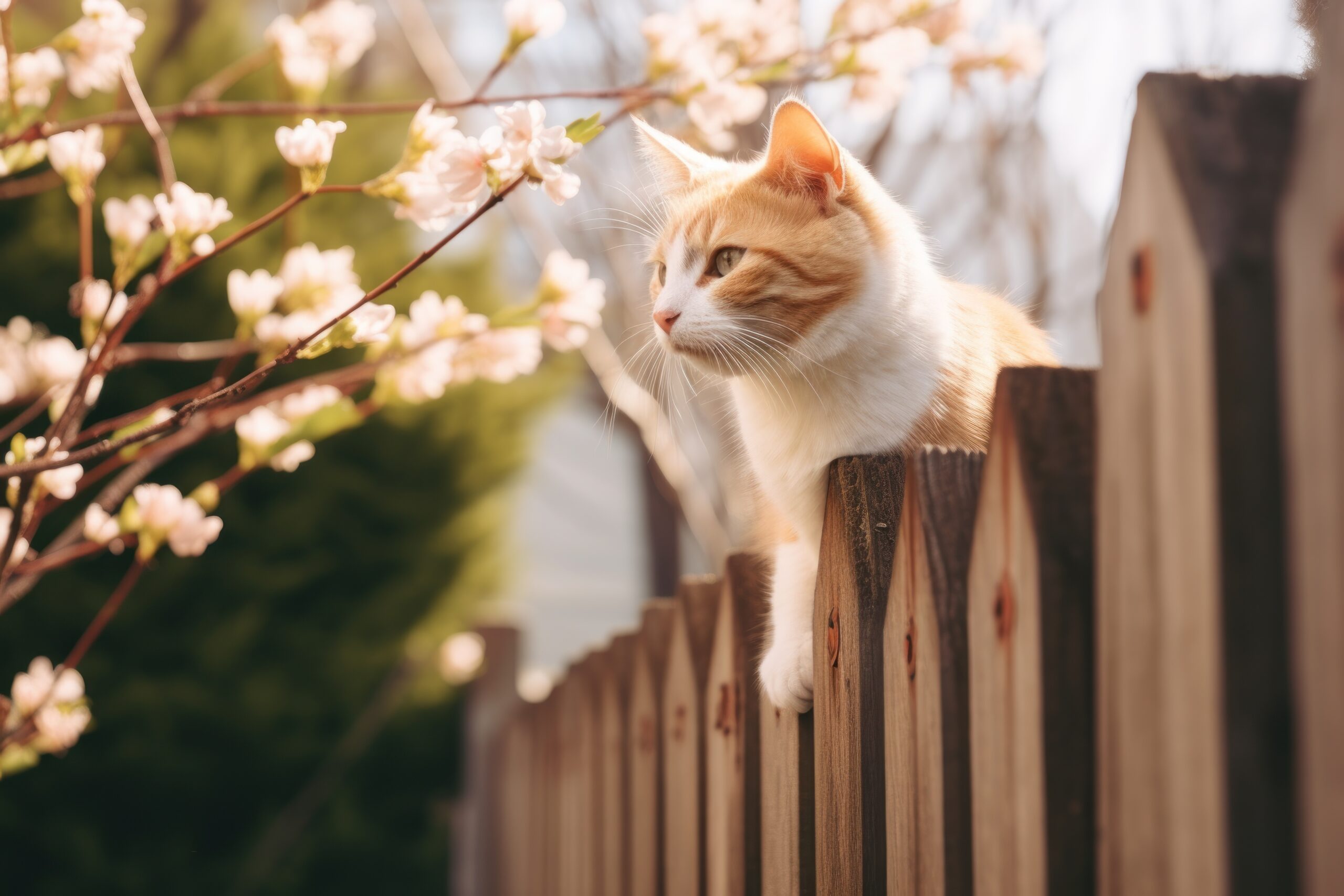
Few topics in the pet world spark as much discussion as whether cats should be allowed to roam outdoors. Some cat owners see outdoor access as essential for a cat’s happiness and natural instincts, while others believe keeping cats indoors is the safest and most responsible choice. The truth is that this debate is complex, and there is no one-size-fits-all answer.
Understanding the benefits, concerns, and middle-ground options can help cat owners make informed decisions that align with their values, environment, and their cat’s individual needs.
Why Some Owners Allow Cats to Roam Outdoors
Supporters of outdoor access often point to a cat’s natural behavior. Cats are curious, agile hunters with strong instincts to explore, climb, and patrol territory. Outdoor environments provide stimulation that can be difficult to fully replicate indoors.
Mental and Physical Stimulation
Outdoor roaming allows cats to:
- Explore new scents and textures
- Engage in climbing and running
- Express natural hunting behaviors
For some cats, especially those raised with outdoor access, this stimulation may reduce boredom and certain stress behaviors.
Autonomy and Choice
Some owners believe that allowing cats outdoors gives them freedom and agency. Cats that choose when to go out and when to return may appear confident and content, reinforcing the belief that outdoor access improves quality of life.
Cultural and Regional Norms
In many parts of the world, outdoor cats are common and socially accepted. In these regions, neighborhoods may be designed with animals in mind, and roaming cats are considered part of everyday life rather than a concern.
Why Others Choose to Keep Cats Indoors
Those who support indoor-only living often emphasize safety and longevity. While outdoor access can be enriching, it also introduces risks that are largely outside an owner’s control.
Safety Concerns
Outdoor cats may face:
- Traffic and vehicles
- Predators or aggressive animals
- Exposure to toxins or harmful plants
- Accidental injuries or getting lost
These risks are often cited as reasons why indoor cats tend to have longer average lifespans.
Health and Disease
Outdoor cats are more likely to encounter parasites, infectious diseases, and injuries that require veterinary care. Even vaccinated cats can still be exposed to illnesses through contact with other animals.
Wildlife and Environmental Impact
Another concern often raised is the effect roaming cats can have on local wildlife. In some ecosystems, free-roaming cats contribute to declines in bird and small animal populations, making this an environmental issue as well as a pet care one.
Considering the Cat as an Individual
An important part of this debate is recognizing that cats are individuals. Age, temperament, health, and past experiences all play a role.
- A senior cat may prefer quiet indoor comfort
- A high-energy young cat may crave stimulation
- A formerly feral cat may struggle with full indoor confinement
What works for one cat may not work for another.
Middle-Ground Options Many Owners Explore
For owners seeking balance, there are alternatives that offer outdoor enrichment with reduced risk.
Supervised Outdoor Time
- Harness and leash training
- Supervised backyard time
Enclosed Outdoor Spaces
- Catios or enclosed patios
- Secure garden enclosures
These options allow cats to experience fresh air and stimulation while remaining protected.
Making an Informed Decision
The indoor-versus-outdoor debate isn’t about right or wrong — it’s about informed choices. Factors to consider include:
- Your local environment and traffic levels
- Wildlife concerns in your area
- Your cat’s personality and health
- Your ability to supervise or provide enrichment
Discussing options with a veterinarian can also help tailor decisions to your cat’s specific needs.
Final Thoughts
Whether cats should be allowed to roam outdoors is a nuanced question with valid arguments on both sides. By staying informed, observing your cat’s behavior, and considering practical realities, you can make a thoughtful decision that supports your cat’s well-being while respecting your surroundings.
In the end, responsible cat ownership looks different for every household — and thoughtful care is what matters most.